Planning a new data center or upgrading an existing server room? Whether you're an educational institution, government body, or enterprise, a well-designed IT infrastructure is the backbone of your digital operations. Here are the top 10 best practices for 2026.
1. Strategic Location & Layout Planning
The physical location of your data center significantly impacts its efficiency and security. Consider factors like natural disaster risks, accessibility for maintenance, and proximity to power sources. The room layout should allow for proper airflow, easy cable management, and future expansion.
Key considerations:
- Avoid basement locations prone to flooding
- Ensure adequate floor load capacity for heavy equipment
- Plan for hot aisle/cold aisle configuration
- Allow minimum 3 feet clearance around racks
2. Robust Power Infrastructure
Power failures are among the most common causes of downtime. A comprehensive power strategy includes uninterruptible power supplies (UPS), proper power distribution units (PDUs), and backup generator arrangements.
Pro Tip
Size your UPS at 125% of your current load to accommodate future growth. Consider modular UPS systems for scalability.
3. Environmental Control Systems
Modern IT equipment generates significant heat. Precision air conditioning systems maintain optimal temperature (18-27°C) and humidity levels (40-60% RH). Consider:
- In-row cooling for high-density deployments
- Hot/cold aisle containment strategies
- Environmental monitoring sensors
- Redundant cooling units (N+1 configuration)
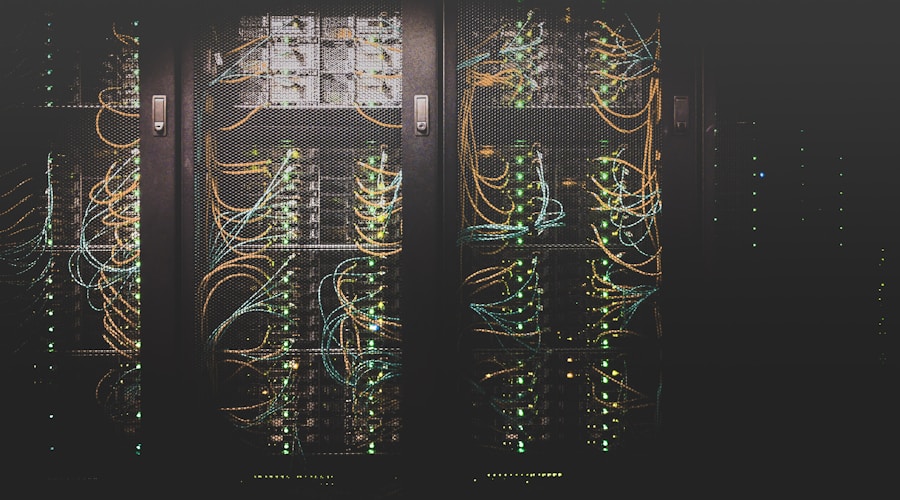
4. Structured Cabling Standards
A well-organized cabling infrastructure reduces troubleshooting time and improves airflow. Use Category 6A or higher for network cabling, and implement proper cable management with:
- Color-coded cables for different purposes
- Proper labeling on both ends
- Cable trays and management panels
- Documented cable maps and records
5. Physical Security Measures
Protecting your data center from unauthorized access is crucial. Implement multiple layers of security:
- Biometric access control systems
- CCTV surveillance with retention policies
- Visitor management and escort procedures
- Cabinet-level locking for sensitive equipment
6. Fire Detection & Suppression
Traditional sprinkler systems can damage IT equipment. Modern data centers use:
- VESDA (Very Early Smoke Detection Apparatus)
- Clean agent fire suppression (FM-200, Novec 1230)
- Zoned detection for precise response
- Integration with building management systems
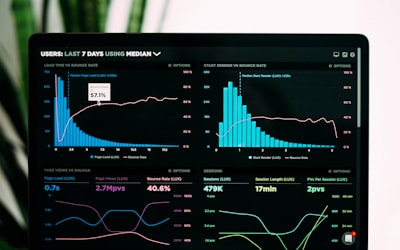
7. Comprehensive Monitoring
Proactive monitoring helps identify issues before they cause outages. Deploy monitoring for:
- Server health and performance metrics
- Network traffic and bandwidth utilization
- Environmental conditions (temperature, humidity)
- Power consumption and UPS status
- Security alerts and access logs
8. Documentation & Asset Management
Maintain detailed documentation including:
- Network diagrams and rack layouts
- Equipment inventory with warranty information
- Configuration backups and change logs
- Standard operating procedures (SOPs)
- Disaster recovery and business continuity plans
9. Scalability & Future-Proofing
Design your data center with growth in mind. Reserve capacity for:
- Additional rack space (30-40% buffer)
- Power and cooling expansion
- Network port availability
- Cable pathway capacity
10. Regular Maintenance & Testing
Establish a preventive maintenance schedule covering:
- UPS battery testing (quarterly)
- Generator load bank testing (annually)
- HVAC filter replacement and servicing
- Fire suppression system inspection
- Disaster recovery drills
Conclusion
Building a modern data center requires careful planning across multiple disciplines—electrical, mechanical, networking, and security. While this guide covers essential best practices, each deployment has unique requirements based on scale, budget, and operational needs.
At Avuetech, we specialize in end-to-end data center and server room implementations. From initial assessment to ongoing maintenance, our team ensures your IT infrastructure meets the highest standards of reliability, efficiency, and security.